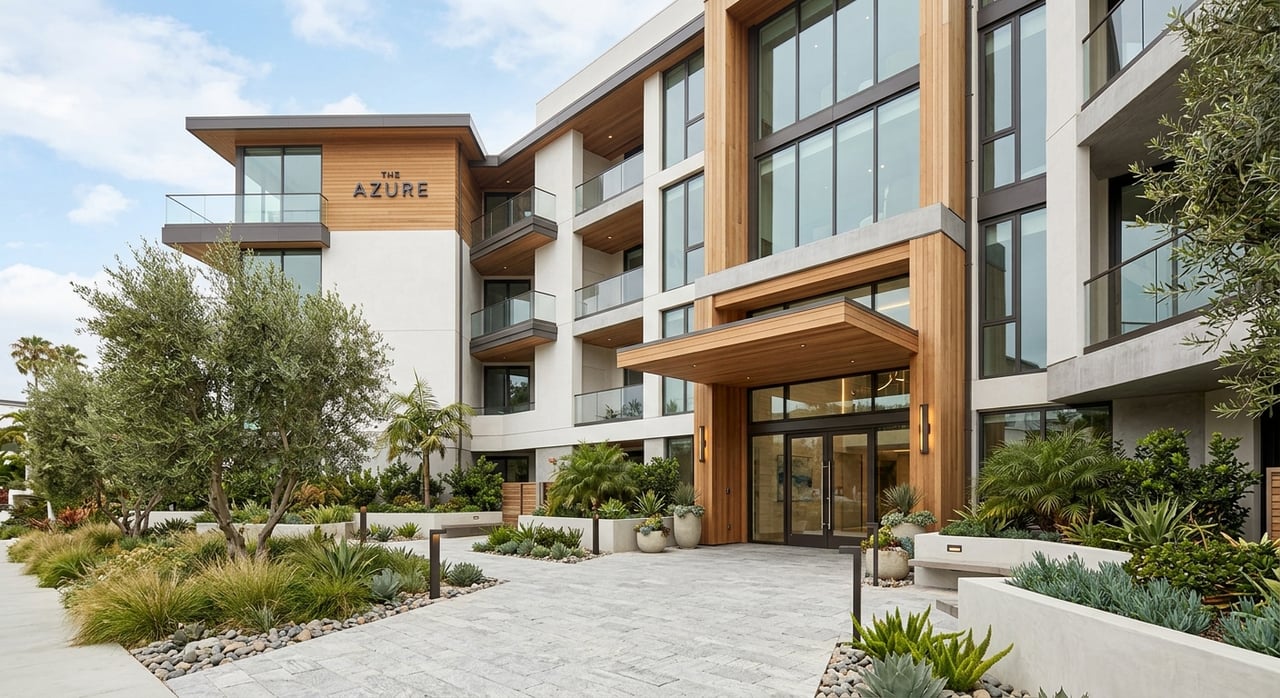
Your Step-by-Step Guide to Buying a Condo in South Tampa
July 2, 2026
July 2, 2026
Buying a condo in South Tampa can look simple at first. You find a great unit, picture your new routine, and start doing the math. But with condos, you are not only buying the space inside the walls. You are also buying into an association, its budget, its rules, and its approach to maintenance. If you want to make a smart move, you need a plan that goes beyond finishes and square footage. This playbook walks you through the key steps so you can buy with more clarity and less stress. Let’s dive in.
A condo purchase comes with two layers of decision-making. First, you are evaluating the unit itself. Second, you are evaluating the condominium association that helps run the building or community.
That matters because your monthly cost is not just your mortgage. Condo dues are usually separate from the mortgage, and those dues can range from a few hundred dollars a month to more than $1,000. In many condo communities, the association also handles shared maintenance such as roofs, shared structures, and common areas.
In Florida, condo buyers also have important document rights. For a resale condo, the seller must provide a document package that can include the declaration, articles of incorporation, bylaws, rules, annual financial statement, annual budget, FAQ sheet, governance form, and, when applicable, milestone inspection summaries and structural integrity reserve study documents. That gives you a chance to look past the listing photos and understand how the community really operates.
Before you tour condos in South Tampa, set a budget based on your full monthly carrying cost. A condo that looks affordable at first glance can feel very different once dues, taxes, insurance, and other recurring costs are added in.
Ask lenders for multiple Loan Estimates and make sure they are using the same basic loan features for comparison. Share the property tax information and the condo dues for any property you are seriously considering so the estimate reflects the real monthly picture.
In Hillsborough County, the Property Appraiser establishes taxable value and the Tax Collector bills and collects the taxes. Taxes are assessed as of January 1 and are normally payable beginning November 1. For that reason, it is smart to verify the tax bill for the specific parcel instead of relying on a broad estimate.
You should also screen for flood and insurance costs early. Homeowners insurance typically does not cover flood damage, and some properties may require separate flood insurance depending on the flood zone and loan type. In South Tampa, this is not something to save for the last week of the transaction.
A regular preapproval is helpful, but a condo purchase needs a more detailed lender conversation. Some lenders may price condo loans differently, and the building itself can affect whether the loan moves smoothly through underwriting.
When you talk with your lender, ask what they need to review at the project level. Depending on the loan and the condo, that can include budgets, financial statements, insurance information, reserve studies, legal documents, and condo questionnaires.
This is one of the most important early checkpoints. Even if you love the unit, financing can become more complicated if the project has weak financials, inadequate insurance, litigation concerns, or unresolved repair issues.
One of the biggest condo-buying mistakes is falling in love with the kitchen before reviewing the association. In South Tampa, where many buyers want a smooth closing and a strong long-term investment, the association review should happen as early as possible.
Florida provides a strong roadmap for what to review. Official buyer checklists include the declaration, articles, bylaws, estimated operating budget, rules and restrictions, ground lease if there is one, management and maintenance contracts, financial information, conversion reports if applicable, milestone inspection reports, and structural integrity reserve studies.
You also want practical answers about how the building functions day to day. Look for information on voting rights, unit-use restrictions, leasing restrictions, regular assessments, extra fees for commonly used facilities, and pending court cases over $100,000.
This step matters more than ever in Florida. For many condo buildings, reserve planning and structural reporting are now a major part of the buying decision.
For certain associations existing on or before July 1, 2022, and controlled by unit owners other than the developer, a structural integrity reserve study was required by December 31, 2025 for each building that is three stories or higher. That study is meant to identify inspected items, estimate remaining useful life, estimate replacement cost or deferred maintenance expense, and provide a reserve funding plan or schedule.
Milestone inspections can also be part of the picture. When required, the association is responsible for arranging the inspection and then distributing the summary to owners within the timelines set by Florida law.
These items affect both safety and affordability. If reserves are underfunded or major work is coming, buyers may face higher dues or special assessments. A special assessment is an expense outside the annual budget, and while you own the unit, you are responsible for assessments attached to it.
Once you have identified the right property, your offer should reflect the realities of a condo transaction. This is where clear contingencies can help protect your time, money, and decision-making.
An inspection clause is still important, even though a condo purchase involves shared building elements. You want to inspect the unit itself while also reviewing the association documents before removing contingencies.
If the condo is being sold by a developer or as part of a conversion project, the disclosure package may be different. In those cases, Florida law can provide extra disclosures and a 15-day voidability period after the required documents are received.
After the offer is accepted, condo deals often succeed or stall based on paperwork. Lenders may need more project-level information before granting final approval, especially if there are insurance questions, reserve concerns, or unusual building issues.
Stay organized and respond quickly to document requests. This is also the stage where you should confirm that taxes, dues, insurance, and any recurring assessments are being counted correctly in your monthly housing expense.
Before closing, you should receive the Closing Disclosure at least three business days in advance. Review it line by line and compare it to your earlier Loan Estimate so you can catch changes in fees or prepaid costs before closing day.
Condo closings often include association-related paperwork that does not show up in the same way with a single-family home. One example is the estoppel certificate, which helps confirm amounts owed to the association and other account details.
Florida publishes fee caps for estoppel certificates. The current preparation and delivery fee is capped at $299, with an added fee allowed for expedited delivery and another possible fee if the unit is delinquent to the association.
This is a small detail that can save you stress. If you ask about estoppels and condo administrative fees early, you are less likely to get hit with surprises right before closing.
Even if you plan to stay for years, it is wise to think about resale on day one. Future buyers and their lenders may review the same project-level issues you are reviewing now.
Projects with transparent records, healthier reserves, solid insurance, and fewer unresolved repair or litigation issues are often easier to finance and easier to resell. A beautiful unit in a poorly managed project can be harder to move later.
That is why the best condo purchase is not always the one with the prettiest finishes. It is the one where the unit, the association, and the long-term numbers all make sense together.
Buying a condo in South Tampa can be a smart move, but the strongest purchases are the ones made with a full picture of the unit, the building, and the numbers behind both. If you want a calm, step-by-step approach that helps you ask the right questions before you commit, Amanda Winsor is here to help.
Stay up to date on the latest real estate trends.

Get assistance in determining current property value, crafting a competitive offer, writing and negotiating a contract, and much more. Contact me today.